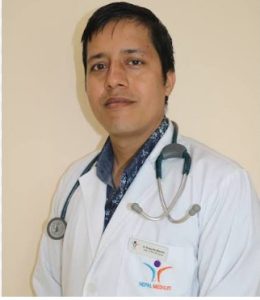
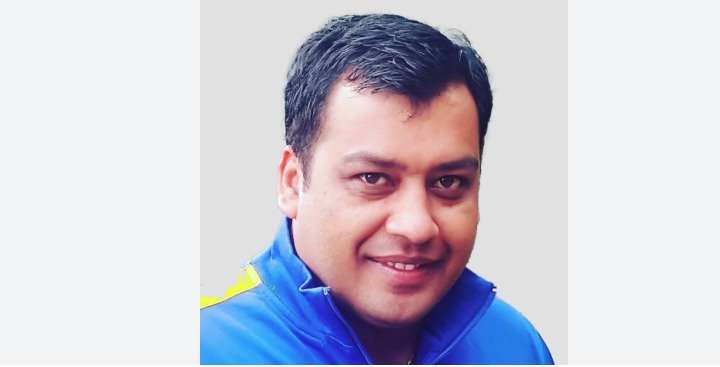
KATHMANDU: Cases of pneumonia among children have been increasing recently. We spoke with pediatrician Dr. Raju Sedhain about what parents should do to protect children from pneumonia. Here is the edited transcript of the conversation:
Are cases of pneumonia among children currently increasing? What could be the reason?
Colds and coughs are generally more common during the winter months. This is a seasonal problem. However, the current pattern of cold and cough appears somewhat different. During the COVID-19 period, not everyone who developed a cold or cough developed pneumonia.
Some children have had ordinary colds and recovered, while pneumonia has also been seen in a certain number of cases. Apart from COVID-19, pneumonia can also be caused by various types of bacteria. A child having a cold does not necessarily mean that the child has pneumonia. However, parents should still take precautions when their child develops a cold or cough.
How can parents distinguish between pneumonia and a common cold or cough?
The symptoms of pneumonia and common cold or cough can vary according to age. For example, if a one- or two-month-old baby is unable to breastfeed, develops a fever, breathes very rapidly or makes rattling or wheezing sounds while breathing, these should be understood as possible signs of pneumonia.
Similarly, in children up to five years of age, unusually severe cold and cough, high fever, difficulty breathing or rattling and wheezing sounds while breathing can indicate pneumonia.
In children older than five, if the child is extremely unwell and has a severe cough and other serious symptoms, it may also be pneumonia.
How does the pneumonia vaccine work, and at what age should children receive it?
Pneumonia vaccines are given to help the body develop antibodies against bacteria and viruses that can cause pneumonia. The Government of Nepal provides vaccines free of charge for the prevention of many diseases.
Vaccines against diseases such as whooping cough, tetanus, Haemophilus influenzae and pneumococcal disease are given to children, particularly those under two years of age. The Haemophilus influenzae vaccine is administered at 14-week intervals.
Before these vaccines became available, vaccination was also provided against serious diseases such as diphtheria and whooping cough. People should give vaccination a high priority because vaccines provide significant benefits.
How long does a vaccine work after it is administered once?
Getting vaccinated does not mean that a person will never get a disease. A vaccine works against the specific virus or disease it is designed to protect against. The duration for which a vaccine provides protection depends on the particular vaccine.
How long does the risk remain after a child has had pneumonia once?
Pneumonia is not generally a disease that lasts for a long period. In some cases, when immunity is low, even an ordinary cold can develop into a serious condition. However, if a child has a healthy immune system and a good ability to fight disease, there is no need to remain afraid that the child will develop pneumonia again.
If the child receives proper treatment, having pneumonia once does not necessarily mean that they will develop it repeatedly.
Pneumonia is a disease of the lungs. For example, if fluid accumulates in the lungs, it can have effects that persist later. Long-term effects are more likely if the lungs are damaged.
What should parents do to prevent children from developing pneumonia?
Parents should pay particular attention to hygiene and nutrition. For newborn babies, breastfeeding and receiving vaccinations on time can help protect them from disease. Children should also have regular health check-ups.
Children should not be kept in closed rooms simply because parents want to keep them warm. They should not be exposed to smoke either. Children are the future of the country, so we need to take special care of their health.